Bat Infestations in Homes: Health Risks and Safe Removal
People dealing with bat infestations in homes often seek safe removal to protect health, and local contractors can provide expert services to eliminate bats effectively.
Homeowners dealing with bat infestations in homes often face concerns beyond just the nuisance of unexpected visitors. Understanding the health risks associated with these pests, such as exposure to droppings and potential disease transmission, underscores the importance of safe removal methods. Property owners in the area might explore this topic to learn how professional services can help eliminate bats effectively while minimizing health hazards, ensuring a safer living environment for everyone.
Exploring options for bat infestation removal can also provide peace of mind and help prevent future issues. Local contractors specializing in bat exclusion and removal are equipped to handle these situations safely and efficiently, offering solutions that protect both the home and its inhabitants. Keep reading to discover practical advice and how connecting with experienced service providers can make a difference in addressing bat-related concerns.
- Bat infestation removal services are needed when homeowners notice signs of bats in the attic or walls, and local contractors can safely seal entry points to prevent further intrusion.
- Health risk mitigation for bat infestations in homes involves addressing potential exposure to diseases carried by bats, with service providers implementing safe exclusion methods.
- Safe removal of bats from residential properties is essential when bats have established roosts, and local specialists use humane techniques to remove animals without harm.
- Bat exclusion and cleanup services are recommended when bat colonies are identified, with local contractors ensuring thorough sanitation to reduce health hazards.
- Bat infestation remediation is necessary to eliminate health risks associated with bat droppings and urine, with service providers applying safe removal and sanitation practices.
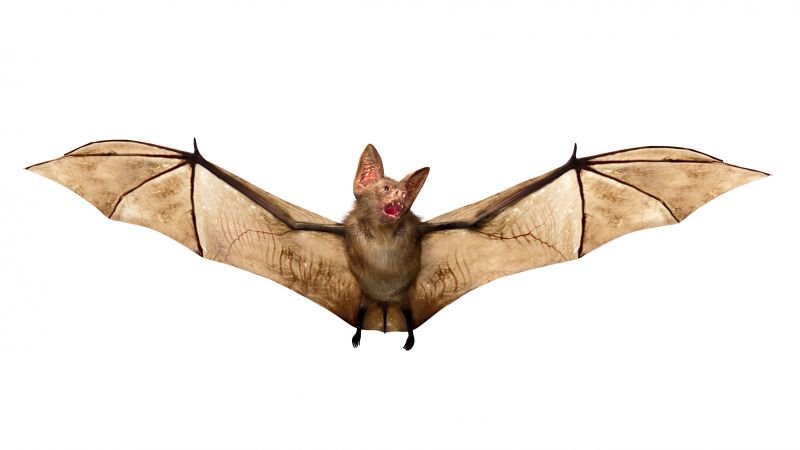
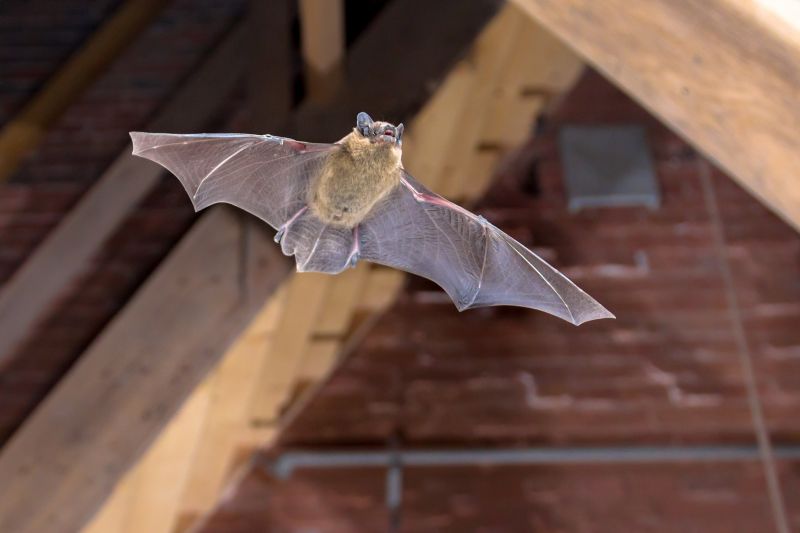
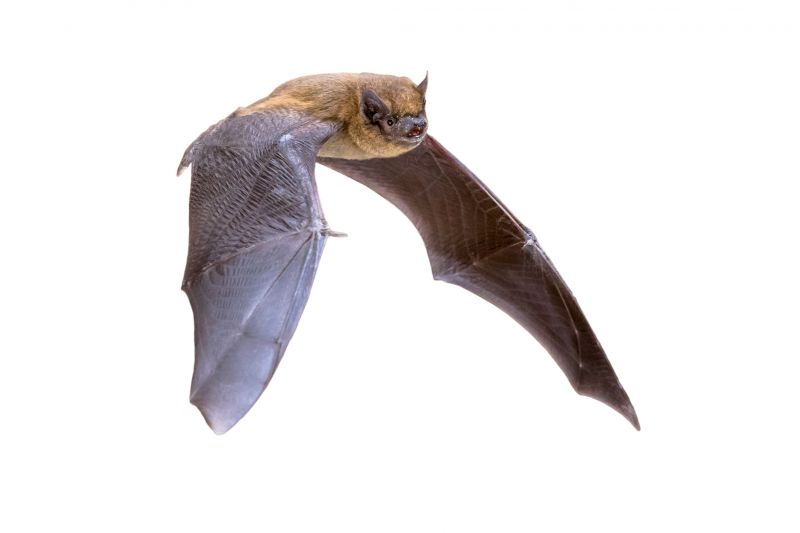
When people search for information about bat infestations in homes: health risks and safe removal, they are typically concerned about the presence of bats in their living spaces and the potential dangers associated with them. This topic often comes up when homeowners notice signs such as bat droppings, strange odors, or hearing scratching noises in walls or attics. The focus is usually on understanding the health implications, including the risk of disease transmission, and finding effective methods to remove bats safely. Many are also interested in learning how to prevent future infestations and protect their families and pets from possible health hazards linked to bat colonies.
Bat infestations are commonly associated with properties that have accessible attic spaces, roof vents, or gaps around eaves and soffits. These areas provide ideal entry points for bats seeking shelter and roosting spots. Residential homes, especially those with older or poorly maintained structures, often become targets for bat colonies. In addition, barns, sheds, and other outbuildings can also attract bats, particularly in rural or semi-rural locations. Homeowners searching for solutions want to understand how these animals are getting inside and what steps are necessary to eliminate the problem without causing damage to their property.
The health risks connected to bat infestations in homes: health risks and safe removal extend beyond the nuisance factor. Bats can carry pathogens that pose serious health concerns, such as rabies and histoplasmosis, which can be transmitted through contact with bat droppings or saliva. These risks make it essential to handle removal carefully and with professional assistance. Homeowners often seek out local service providers who specialize in humane and safe removal methods, ensuring that the bats are removed without harm and that the property is properly sealed to prevent re-entry. Proper cleanup and exclusion are critical components of addressing these infestations effectively and reducing health dangers.
Properties affected by bat infestations typically include residential homes with accessible attics or roofs, as well as outbuildings like barns and garages. Older homes with structural gaps or deteriorating roofing are particularly vulnerable. In some cases, homeowners may notice signs of bat activity during seasonal changes, prompting a search for local contractors experienced in bat removal. These professionals can assess the property, identify entry points, and implement safe removal strategies. Connecting with experienced service providers helps ensure that the infestation is managed properly, minimizing health risks and safeguarding the home environment for everyone living there.
Home inspection services - professionals who identify entry points and signs of bat infestations help homeowners understand potential health risks and plan safe removal strategies.
Pest control consultation - experts in managing wildlife intrusions provide advice on humane and effective methods for bat exclusion and removal.
Wildlife exclusion services - specialists focus on sealing entry points and preventing future bat invasions, reducing health risks associated with bat infestations.
Attic cleanup and sanitation - contractors who safely remove bat droppings and decontaminate affected areas to minimize health hazards.
Structural repair services - tradespeople who reinforce building features to prevent re-entry by bats and protect home integrity.
Home sealing and weatherproofing - providers who secure potential entry points, supporting safe bat removal and ongoing prevention efforts.

When evaluating service providers for bat infestation removal, it is important to consider their experience with similar projects. Homeowners should seek out contractors who have a proven track record of handling bat-related issues in residential settings. An experienced professional will understand the unique challenges involved in safely removing bats and preventing future infestations, which can help ensure the work is done effectively and with minimal disruption. Asking for details about previous projects or seeking references can provide insight into their familiarity with the complexities of bat infestations and their ability to address health risks associated with these pests.
Clear, written expectations are essential when choosing a bat removal service. Homeowners should look for providers who can outline the scope of work, including inspection procedures, removal methods, and post-removal cleanup or sealing efforts. Having detailed documentation helps ensure that both parties are aligned on what will be done, reducing misunderstandings or surprises during the process. Service providers who communicate their plans openly and can provide written estimates or plans demonstrate professionalism and transparency, which can be valuable in making an informed decision.
Reputable references and good communication are key factors in selecting a dependable contractor for bat infestation removal. Homeowners should seek out service providers who can offer references from previous clients or showcase positive feedback. Effective communication throughout the process-such as promptly answering questions, explaining procedures clearly, and providing updates-can make the experience smoother and more predictable. Choosing a local contractor known for professionalism and clear communication can help ensure that health risks are properly managed and that the removal process adheres to safety standards, ultimately leading to a more confident and informed approach to resolving bat infestations in homes.
Property owners often search for bat infestations in homes: health risks and safe removal when they are planning practical projects around their homes and businesses. Local pros provide Bat Infestation Removal services for everyday jobs and straightforward project options.

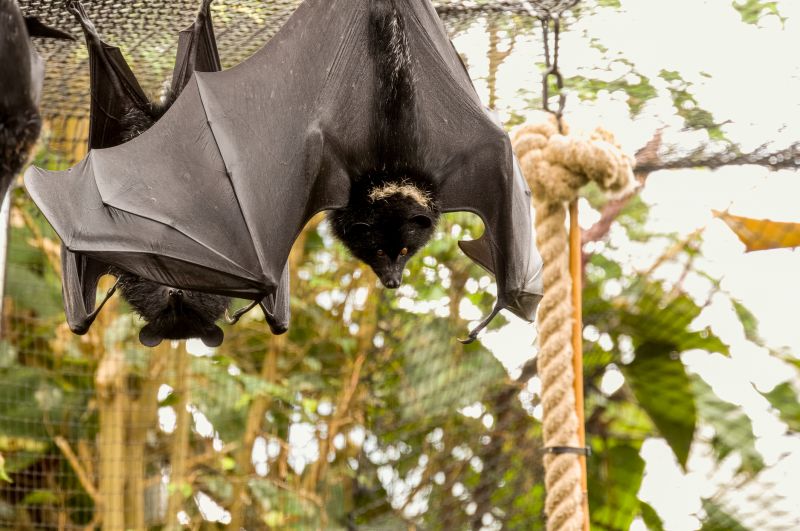
Bat infestations in homes can pose serious health risks due to the potential spread of diseases and the presence of droppings and urine that can contaminate living spaces. Property owners in the area who notice unusual odors, droppings, or signs of bats may seek out the expertise of local contractors who specialize in bat removal. These professionals can assess the situation, identify entry points, and implement safe removal methods to ensure the bats are humanely excluded and the property is protected from future infestations.
For homeowners concerned about the health hazards associated with bat infestations in homes, connecting with experienced service providers is an important step toward safe removal. Local contractors can provide effective solutions that eliminate the bats and seal entry points, reducing the risk of re-infestation and exposure to health threats. Property owners who want to address these issues efficiently often look for trusted local pros who understand the best practices for bat removal and property protection.
What health risks are associated with bat infestations in homes? Bat infestations can pose health risks such as exposure to rabies, histoplasmosis from droppings, and respiratory issues caused by airborne particles. Local contractors experienced in bat removal can help mitigate these risks safely and effectively.
How do professionals safely remove bats from a home? Skilled service providers use methods like sealing entry points, humane exclusion techniques, and careful removal to ensure bats do not return, reducing health hazards and property damage.
Are there signs that indicate a bat infestation in a home? Common signs include seeing bats near your property, hearing scratching noises in walls or attics, and noticing droppings or staining around entry points. Local experts can assess and confirm the presence of bats safely.
Why is professional removal recommended over DIY methods? Professionals have the experience and tools to remove bats humanely and safely, minimizing health risks and preventing damage to the home that can occur with improper removal techniques.
What steps are involved in the safe removal of bats from a home? The process typically includes inspection, sealing entry points, humane exclusion, and cleanup, all performed by service providers trained to handle bat infestations responsibly and safely.
Identify entry points - property owners can inspect their homes for small openings that bats may use to enter and work with local contractors to seal these gaps safely.
Assess health risks - understanding the potential health dangers associated with bat infestations can guide property owners in planning safe removal and cleanup efforts with professional help.
Plan removal strategies - developing a safe and effective approach for bat exclusion and removal can be coordinated with local service providers to minimize risks and prevent re-infestation.
Implement cleanup procedures - after bat removal, property owners can work with experts to properly disinfect affected areas and prevent disease transmission.
If you are thinking about bat infestations in homes: health risks and safe removal for a property, this guide is meant to help you understand this topic, the typical project types, and how different options might fit your plans.
When you are ready, you can use the quote form on this page to share a few details about your project. From there, local pros can review the basics and follow up with options that match what you have in mind.