How Squirrels Turn Attics Into Nesting and Chewing Zones
People searching for squirrel removal are typically looking to stop squirrels from turning attics into nesting and chewing zones, and local contractors can safely remove them and repair damage.
Many property owners discover that squirrels can quickly transform attics into cozy nesting and chewing zones. These clever creatures are naturally drawn to the warmth and safety that attic spaces provide, making them ideal spots for raising their young and storing food. Understanding how squirrels turn attics into these zones can help homeowners recognize early signs of intrusion and prevent extensive damage. Since squirrels often chew through wiring, insulation, and structural components, addressing these issues promptly is important for maintaining a safe and functional home.
For those dealing with squirrel activity in their attics, connecting with local service providers experienced in squirrel removal can be a practical step. These professionals are equipped to identify how squirrels are turning attics into nesting and chewing zones and can implement effective strategies to remove the animals and secure the space. Exploring this topic further can help property owners better understand the risks and solutions, ensuring that their homes remain protected from ongoing squirrel-related issues.
- Homeowners noticing squirrels nesting in attics may need this service, with local contractors sealing entry points and removing debris to prevent further damage. - When squirrels chew on attic wiring or wood, local service providers can identify damage and implement exclusion methods to protect the structure. - If squirrel droppings and nesting materials are found in the attic, local pros can safely remove contamination and sanitize the space. - Signs of squirrel activity, such as scratching sounds or holes, may prompt homeowners to seek professionals experienced in trapping and exclusion. - To prevent squirrels from turning attics into nesting and chewing zones, local contractors can install barriers and reinforce vulnerable areas effectively.
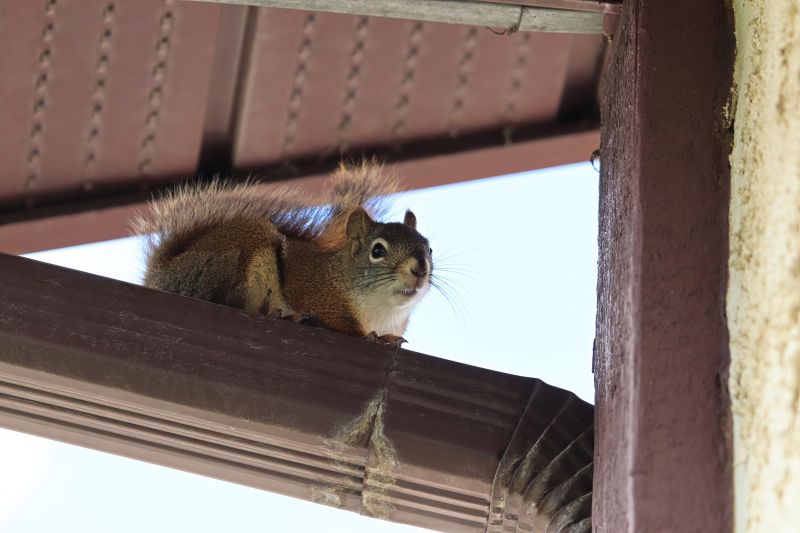
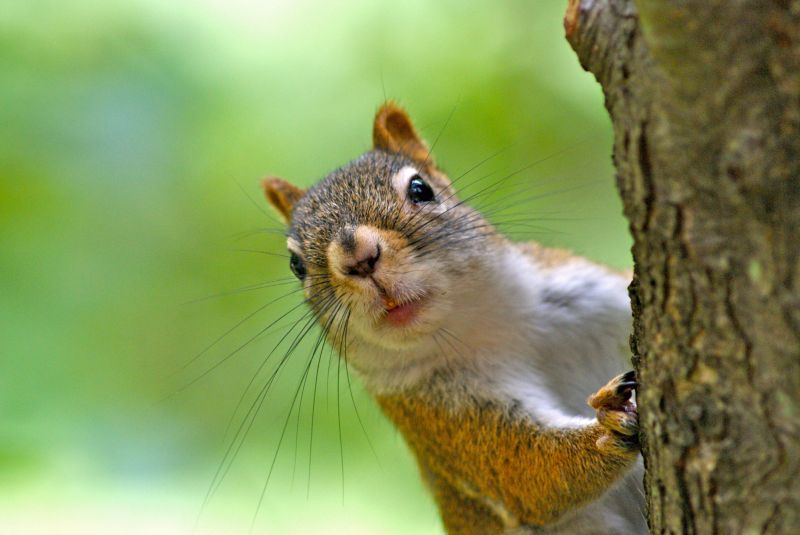
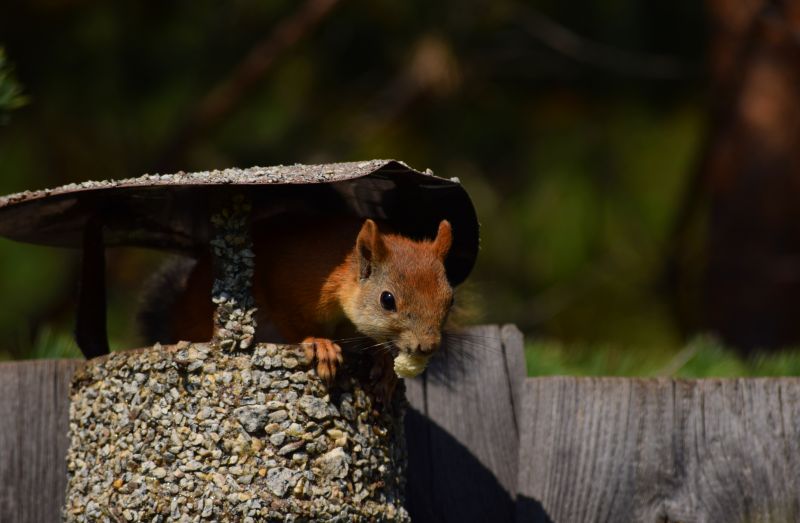
When searching for information about how squirrels turn attics into nesting and chewing zones, homeowners are often concerned about identifying signs of squirrel activity inside their properties. This topic typically relates to issues involving unwanted wildlife intrusion, damage to insulation, wiring, and structural components, as well as the potential health risks associated with rodent droppings and nesting materials. Many property owners are looking for ways to understand why squirrels are attracted to attics, what behaviors lead to damage, and how to prevent future problems. This knowledge helps homeowners recognize the importance of professional squirrel removal and exclusion services, which are essential for safely and effectively addressing these issues.
The problems connected to squirrels turning attics into nesting and chewing zones often involve structural damage, increased repair costs, and safety hazards. Squirrels are known for their tendency to chew on wood, wiring, and insulation, which can lead to electrical fires or compromised building integrity. Homeowners may also encounter noise disturbances, foul odors, and the presence of nesting materials like leaves, twigs, or shredded insulation. Many plans to address these issues involve removing the squirrels, repairing entry points, and implementing exclusion measures to prevent re-entry. Local service providers specializing in squirrel removal and attic restoration play a crucial role in resolving these problems and restoring the safety and integrity of a property.
Properties that frequently come up in discussions about how squirrels turn attics into nesting and chewing zones tend to be older homes, rural properties, or structures with accessible roof lines and vents. Attics with damaged or missing soffit screens, gaps around vents, or poorly sealed roof edges are more vulnerable to squirrel entry. Homes with large trees close to the roofline or those with open or damaged soffits, eaves, and vents are also common targets. Additionally, properties with neglected or uninsulated attics can become attractive nesting sites for squirrels seeking shelter and warmth. Recognizing these property types helps homeowners understand the importance of proactive measures and the value of connecting with experienced local contractors who can perform effective exclusion and removal services.
Understanding how squirrels turn attics into nesting and chewing zones highlights the importance of timely intervention from local pros. Squirrels are resourceful and persistent, often exploiting small openings or weak points in a building’s exterior to gain access. Once inside, they prioritize creating comfortable nesting spots, which often involves shredding insulation and gathering nesting materials. Their chewing behavior can cause significant damage to electrical wiring, increasing the risk of fire hazards. Homeowners dealing with these issues should consider consulting with local wildlife removal specialists who can assess the situation, remove the squirrels safely, and implement exclusion strategies to protect the property in the future. Properly addressing the root cause helps prevent ongoing damage and restores the attic’s safety and functionality.
Attic insulation installation - professionals skilled in sealing and insulating attics can help prevent squirrels from creating nesting and chewing zones by blocking entry points and securing insulation materials.
Pest proofing and exclusion - local contractors specializing in pest exclusion can identify and seal entry points that squirrels use to access attic spaces for nesting and chewing.
Roof repair and vent sealing - experts in roof repairs can address vulnerabilities that squirrels exploit to enter attics and establish nesting or chewing areas.
Attic cleaning and debris removal - service providers who clear out debris and clean attics can reduce attractants that encourage squirrels to nest and chew in these spaces.
Wildlife removal and relocation - specialists in humane wildlife removal can safely remove squirrels from attics, preventing further damage caused by nesting and chewing.
Structural reinforcement services - contractors can reinforce attic structures to make it more difficult for squirrels to create nesting and chewing zones in the future.
When evaluating service providers for squirrel removal, it is important to consider their experience handling projects similar to addressing how squirrels turn attics into nesting and chewing zones. An experienced contractor will have a track record of effectively managing wildlife intrusions in attics, understanding the common entry points, behaviors, and damage caused by squirrels. This background can help ensure the selected professional is familiar with the specific challenges involved in safely removing squirrels and preventing future issues, reducing the risk of recurring problems.
Clear written expectations are essential when comparing local contractors for squirrel removal services. A reputable provider should be able to outline the scope of work, including how they plan to identify entry points, remove the animals, and address any damage or insulation concerns. Having detailed, transparent information helps homeowners understand what services will be provided and sets a foundation for accountability. It also minimizes misunderstandings and ensures that the homeowner’s concerns about how squirrels turn attics into nesting and chewing zones are thoroughly addressed.
Reputable references and good communication are key factors in selecting the right service provider. Contractors with positive references from previous clients can offer insights into their reliability, professionalism, and effectiveness in handling similar projects. Additionally, a service provider who communicates clearly and promptly can help homeowners feel confident throughout the process, ensuring questions about how squirrels turn attics into nesting and chewing zones are answered thoroughly. This level of openness and responsiveness can make the experience smoother and more predictable when dealing with wildlife removal and attic repairs.
Property owners often search for how squirrels turn attics into nesting and chewing zones when they are planning practical projects around their homes and businesses. Local pros provide Squirrel Removal services for everyday jobs and straightforward project options.
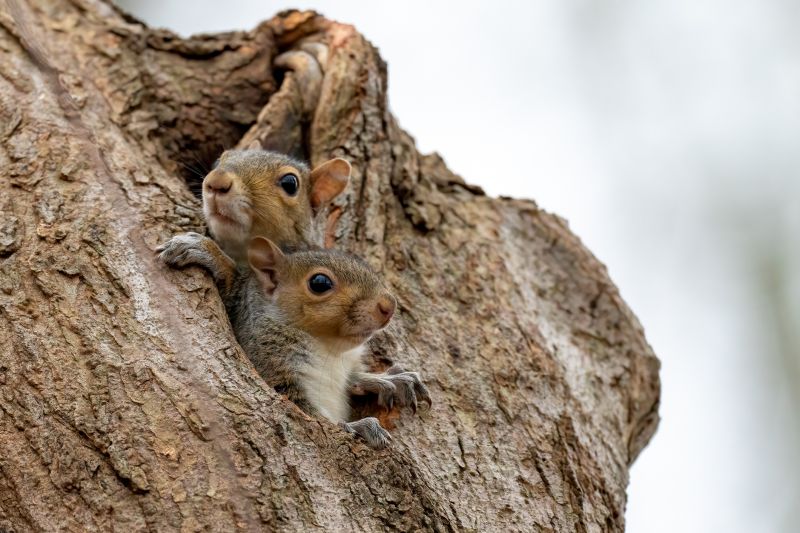
Squirrels often seek out attics as safe, warm places to build nests and raise their young. Once they gain access, they can quickly turn these spaces into dedicated zones for nesting and chewing, causing damage to insulation, wiring, and structural components. Homeowners noticing signs of rodent activity or damage may find themselves searching for solutions to remove these unwelcome visitors and prevent future infestations.
When squirrels establish themselves in an attic, property owners might consider professional squirrel removal services to address the problem effectively. Local contractors experienced in wildlife exclusion can help identify entry points, safely remove the animals, and implement measures to keep squirrels from returning. Connecting with these service providers can help restore attic safety and prevent further damage caused by squirrels turning attics into nesting and chewing zones.
How do squirrels typically turn attics into nesting and chewing zones? Squirrels often access attics through small openings, then build nests using insulation, wood, and other materials. They also chew on wiring, wood, and insulation to create pathways and establish their territory.
What signs indicate that squirrels have made an attic into a nesting and chewing zone? Common signs include chewed wiring, insulation displacement, droppings, nesting materials, and scratching or scurrying sounds within the attic.
How can local contractors help remove squirrels and prevent them from turning attics into nesting and chewing zones? Local service providers can perform humane removal, seal entry points, and recommend repairs to prevent future access, helping to stop squirrels from turning attics into nesting and chewing zones.
Why is it important to address squirrels turning attics into nesting and chewing zones promptly? Addressing the issue quickly can prevent damage to wiring, insulation, and the structure, as well as reduce potential health risks associated with squirrel droppings and nests.
What methods do service providers use to prevent squirrels from turning attics into nesting and chewing zones? They typically install exclusion barriers, repair entry points, and may recommend habitat modifications to make the area less attractive to squirrels.
Identify entry points - property owners can work with local contractors to locate and seal gaps or holes that squirrels use to access attics, preventing future nesting.
Remove nesting materials - professionals can safely clear out existing nests and chew debris to discourage squirrels from returning.
Implement deterrents - local pros can install barriers or repellents to make attics less attractive for squirrels to settle in or chew through.
Schedule regular inspections - property owners can arrange periodic checks with service providers to monitor for new signs of squirrel activity and address issues promptly.
If you are thinking about how squirrels turn attics into nesting and chewing zones for a property, this guide is meant to help you understand this topic, the typical project types, and how different options might fit your plans.
When you are ready, you can use the quote form on this page to share a few details about your project. From there, local pros can review the basics and follow up with options that match what you have in mind.