How Wildlife Can Damage Roofs, Attics, and Insulation
People searching for wildlife removal often want to prevent damage to roofs, attics, and insulation, and local service providers can help eliminate animals and protect their property.
Property owners in the area often find themselves concerned about how wildlife can damage roofs, attics, and insulation. These issues are more common than many realize and can lead to costly repairs if left unaddressed. Understanding the risks associated with wildlife intrusion helps homeowners recognize early signs of trouble and take proactive steps to protect their properties. Whether it’s small animals nesting in the attic or larger creatures causing structural damage, addressing these problems promptly can prevent further damage and preserve the integrity of the home.
Local service providers specializing in wildlife removal are equipped to handle these concerns effectively. They can identify how wildlife can damage roofs, attics, and insulation, and provide solutions to safely remove animals and prevent future invasions. Connecting with experienced contractors ensures that wildlife-related damage is managed professionally, helping property owners maintain a safe and secure home environment. Keep reading to learn more about how wildlife can impact your property and what options are available to address these common issues.
- Wildlife intrusion repair - homeowners noticing damage caused by animals in their roofs or attics can rely on local contractors to assess and repair structural damage caused by wildlife.
- Attic insulation removal and replacement - when insulation becomes contaminated or damaged by wildlife, service providers can safely remove and replace it to restore energy efficiency.
- Roof vent and soffit sealing - signs of wildlife entry often require local pros to seal openings and prevent future invasions that can lead to roof or attic damage.
- Animal exclusion services - wildlife can cause extensive damage by nesting or chewing through roof components, and local contractors can install barriers to keep animals out.
- Insulation damage prevention - wildlife can nest in or damage insulation materials, and service providers can help protect and restore attic insulation to prevent further issues.
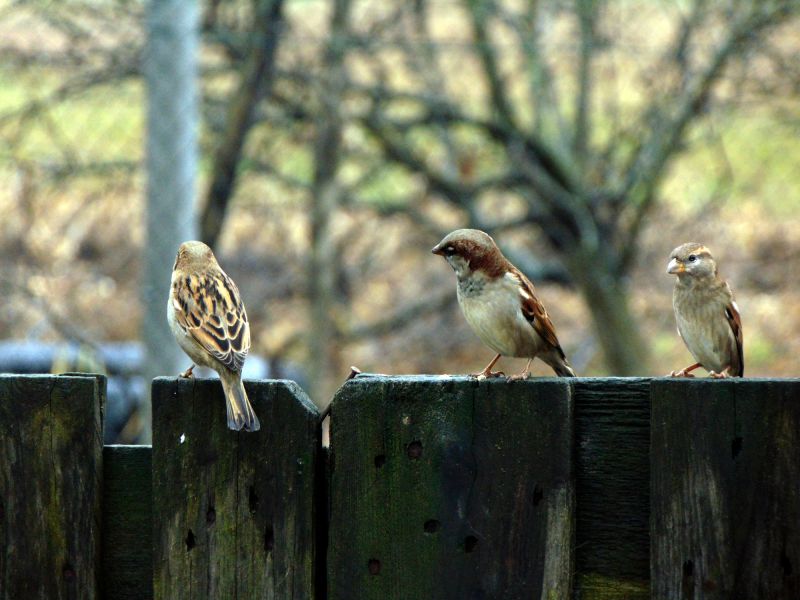
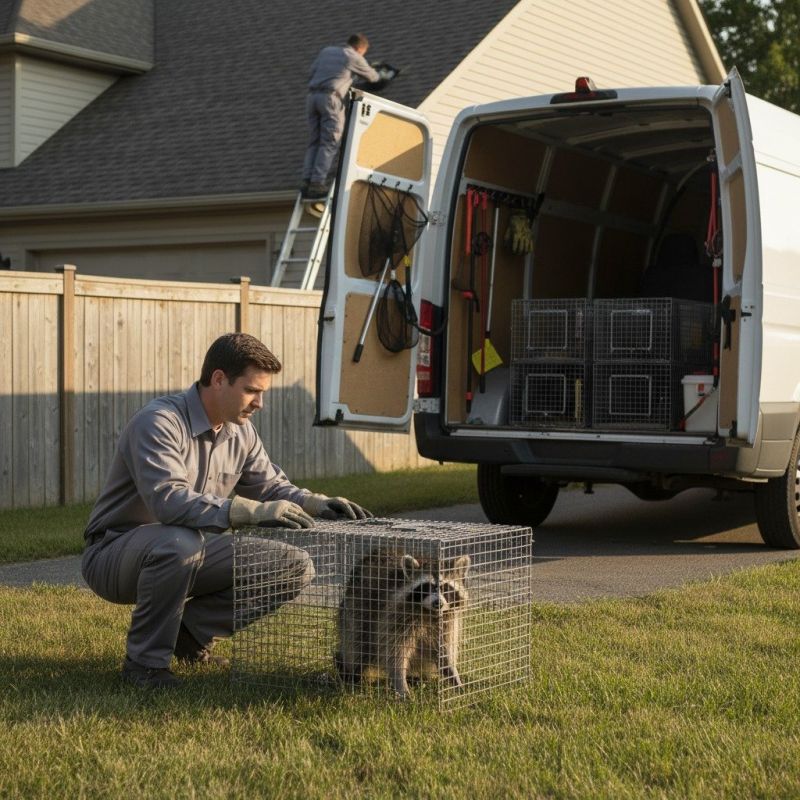
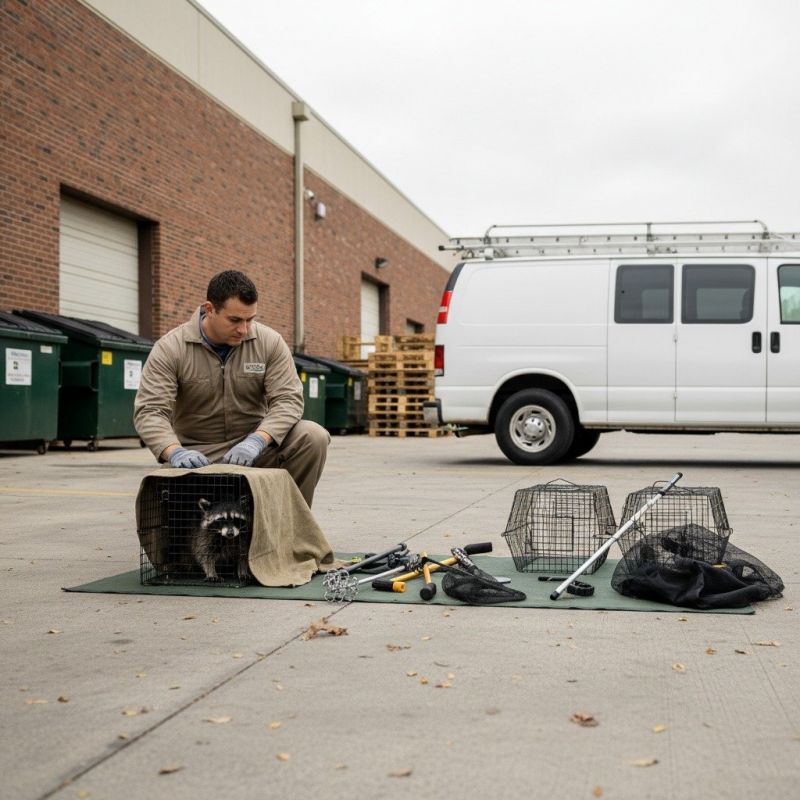
When homeowners search for information about how wildlife can damage roofs, attics, and insulation, they often want to understand the specific risks posed by animals like raccoons, squirrels, birds, and bats. These creatures are known to seek shelter in warm, quiet spaces, making attics and roof eaves attractive nesting sites. People may be concerned about the physical damage animals cause, such as gnawing on wood, shingles, or wiring, which can compromise the structural integrity of the property. Additionally, the presence of wildlife can lead to unpleasant odors, unsanitary conditions, and the potential spread of diseases, making it a pressing issue for homeowners who notice signs of animal activity.
This topic is closely related to property maintenance, pest control, and home improvement plans. Homeowners often consider wildlife removal as part of their efforts to protect and preserve their homes. Damage caused by animals can lead to costly repairs, especially if rodents or birds have chewed through insulation or created nests that block ventilation systems. Understanding how wildlife can damage roofs, attics, and insulation helps homeowners recognize early warning signs-such as droppings, chewed wiring, or nesting materials-and decide when professional intervention is necessary. The goal is to prevent further damage and ensure that the home remains safe, energy-efficient, and free of unwanted animal visitors.
Properties most commonly affected by wildlife damage tend to be those with accessible rooflines, such as single-family homes, cottages, and older buildings with less secure eaves or vents. Attics that are poorly sealed or have gaps in the roofing structure are particularly vulnerable. Rural or suburban properties with nearby trees, shrubs, or open land often see higher incidences of wildlife intrusion. Additionally, homes that have existing structural weaknesses or have experienced previous animal activity are at increased risk. Recognizing these property types helps homeowners understand the importance of regular inspections and the role local service providers can play in wildlife exclusion and damage repair.
Wildlife removal professionals are essential in addressing the damage caused by animals and preventing future issues. These local contractors can assess the extent of wildlife activity, safely remove animals from roofs and attics, and implement exclusion measures to block entry points. They also often help with repairing or replacing damaged insulation and roofing materials, restoring the home’s integrity. Engaging with experienced wildlife removal service providers ensures that homeowners can resolve damage caused by wildlife effectively and reduce the likelihood of recurring problems. Proper removal and exclusion work are key steps in maintaining a safe, damage-free home environment.
Attic Insulation Replacement - Professionals who handle insulation replacement often address damage caused by wildlife, ensuring proper installation and preventing future intrusion.
Roof Repair and Replacement - Local contractors experienced in roof repairs can fix damage from animals such as raccoons or squirrels that compromise roof integrity and attic protection.
Gutter and Vent Repair Services - Wildlife activity can clog or damage gutters and vents, requiring specialists to restore proper function and prevent further wildlife access.
Pest and Wildlife Exclusion Services - Exclusion experts focus on sealing entry points to keep wildlife out of roofs and attics, reducing the risk of damage and infestation.
Attic Cleanup and Decontamination - After wildlife intrusion, cleanup services remove droppings and contaminants, helping restore attic safety and prevent health hazards.
Roof Ventilation System Installation - Proper ventilation installation can deter wildlife from nesting in attics, with local service providers ensuring effective setup and sealing.
When comparing service providers for wildlife removal related to damage in roofs, attics, and insulation, it’s important to prioritize experience with similar projects. Homeowners should inquire about the types of wildlife the contractor has handled and whether they have experience addressing the specific damages caused by animals such as raccoons, squirrels, or bats. An experienced local contractor will understand the common entry points and damage patterns associated with wildlife intrusion, which can help ensure the problem is addressed thoroughly and effectively.
Clear written expectations are essential when evaluating potential wildlife removal services. Homeowners should seek detailed descriptions of the scope of work, including inspection procedures, removal methods, and follow-up steps such as repairs or sealing entry points. Having a written outline helps prevent misunderstandings and ensures that both parties are aligned on what the project entails. It also provides a reference point if questions or concerns arise during or after the work is completed.
Reputable references and good communication are key factors to consider when selecting local service providers. Homeowners can ask for references from previous clients who experienced similar wildlife-related damage, which can offer insights into the contractor’s reliability and quality of work. Additionally, providers who communicate clearly and promptly are more likely to keep homeowners informed throughout the process, answer questions thoroughly, and address any concerns that may come up. These qualities contribute to a smoother experience and help ensure the wildlife removal services meet expectations.
Property owners often search for how wildlife can damage roofs, attics, and insulation when they are planning practical projects around their homes and businesses. Local pros provide Wildlife Removal services for everyday jobs and straightforward project options.
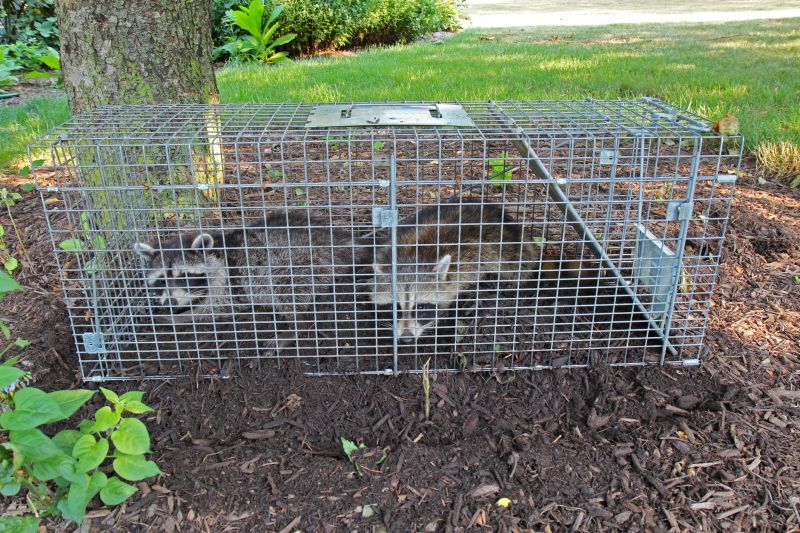
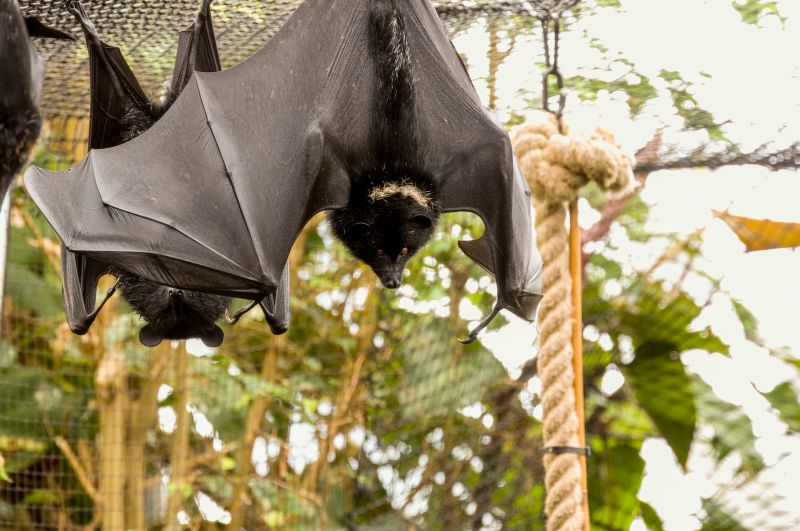
Wildlife can cause significant damage to roofs, attics, and insulation, making it a common concern for property owners. Small animals like raccoons, squirrels, and birds often find their way into attics through tiny openings or damaged roof vents, where they can create nests and chew on electrical wiring or insulation. Over time, their activity can weaken roof structures, cause leaks, and lead to increased energy costs due to compromised insulation. Property owners noticing signs of wildlife intrusion or unexplained damage may consider reaching out to local contractors who specialize in wildlife removal to address these issues effectively.
In addition to structural damage, wildlife can introduce health risks by leaving droppings and nesting materials in attics and insulation. These materials can harbor bacteria, parasites, and mold, which may affect indoor air quality and pose health concerns for residents. When wildlife damage is suspected, it’s often advisable to work with local service providers experienced in wildlife removal. These professionals can safely remove animals, repair entry points, and help restore the integrity of the roof and insulation, preventing further damage and safeguarding the property’s condition.
How can wildlife damage roofs and attics? Wildlife such as raccoons, squirrels, and birds can cause damage by chewing through roofing materials, creating entry points, and nesting in attics, which can lead to structural issues and insulation problems.
What types of wildlife are most likely to damage insulation? Rodents like mice and rats often burrow into insulation to create nests, leading to insulation degradation and potential contamination that can reduce its effectiveness.
How do wildlife animals typically access roofs and attics? Animals often enter through small openings, damaged vents, or gaps in roofing and soffits, which local contractors can identify and seal to prevent further damage.
Can wildlife damage lead to more serious roof problems? Yes, wildlife damage can cause leaks, wood rot, and compromised structural integrity, making it important for local service providers to address these issues promptly.
How can wildlife removal services help prevent future damage? Local contractors can remove existing wildlife, repair entry points, and implement exclusion measures to protect roofs, attics, and insulation from future intrusion and damage.
Inspect and seal entry points - identify small openings where wildlife can access roofs and attics, then work with local contractors to seal these gaps effectively.
Install wildlife-proof barriers - consider adding mesh or fencing around vents and chimneys to prevent animals from entering and causing damage.
Schedule regular attic inspections - have local pros check for signs of wildlife activity and damage to insulation or roofing materials.
Remove existing wildlife and debris - engage professionals to safely remove animals and clean up nesting materials that can compromise roof and attic integrity.
If you are thinking about how wildlife can damage roofs, attics, and insulation for a property, this guide is meant to help you understand this topic, the typical project types, and how different options might fit your plans.
When you are ready, you can use the quote form on this page to share a few details about your project. From there, local pros can review the basics and follow up with options that match what you have in mind.