How Squirrels Damage Roofs and Attics and What to Do About It
If you're concerned about how squirrels damage roofs and attics, local contractors can provide effective removal and prevention services to protect your home.
Property owners in the area often find themselves concerned about how squirrels damage roofs and attics, especially as these small creatures can cause significant issues if left unchecked. Understanding the ways squirrels may infiltrate and harm your property is essential for maintaining its integrity and preventing costly repairs. Whether it’s chewed wiring, damaged insulation, or entry points that allow pests inside, recognizing these signs early can make a big difference. Exploring solutions with experienced local contractors can help ensure that any squirrel-related damage is addressed effectively and safely.
For those noticing unusual noises, chewed materials, or signs of nesting near the roofline, seeking guidance from qualified service providers can be a practical step. These professionals are equipped to handle squirrel removal and can advise on how to prevent future problems. Connecting with local experts who specialize in squirrel removal provides peace of mind, knowing that the issue will be managed properly. Keep reading to learn more about how squirrels damage roofs and attics, and discover the steps that can be taken to protect your property.
- Squirrel exclusion services - when squirrels have entered roofs or attics, local contractors can install barriers to prevent further access.
- Attic insulation repair or replacement - after squirrel damage, service providers can restore insulation compromised by nesting or debris.
- Roof damage assessment and repair - if squirrels have caused structural harm, local pros can evaluate and fix roof components.
- Entry point sealing services - when squirrels are suspected of re-entering, experts can identify and seal openings in the roof or eaves.
- Wildlife removal and cleanup - in cases of squirrel infestation, service providers can safely remove animals and clear nesting materials.
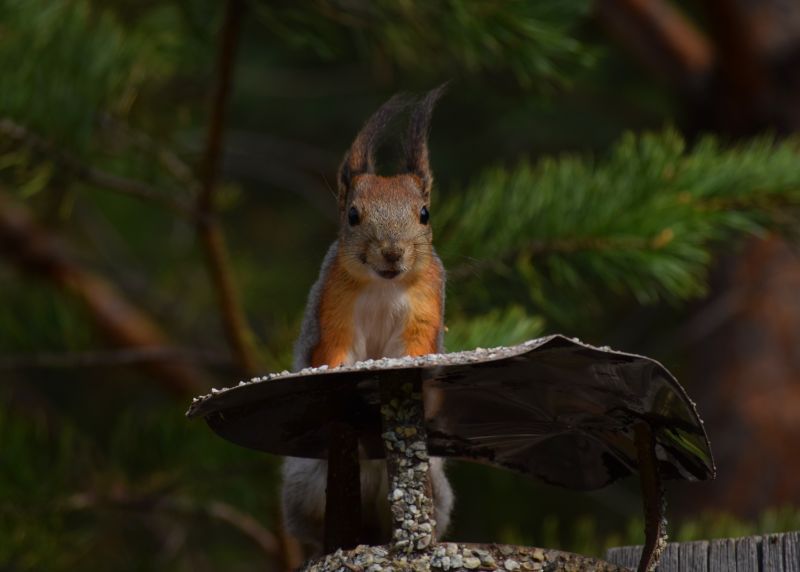
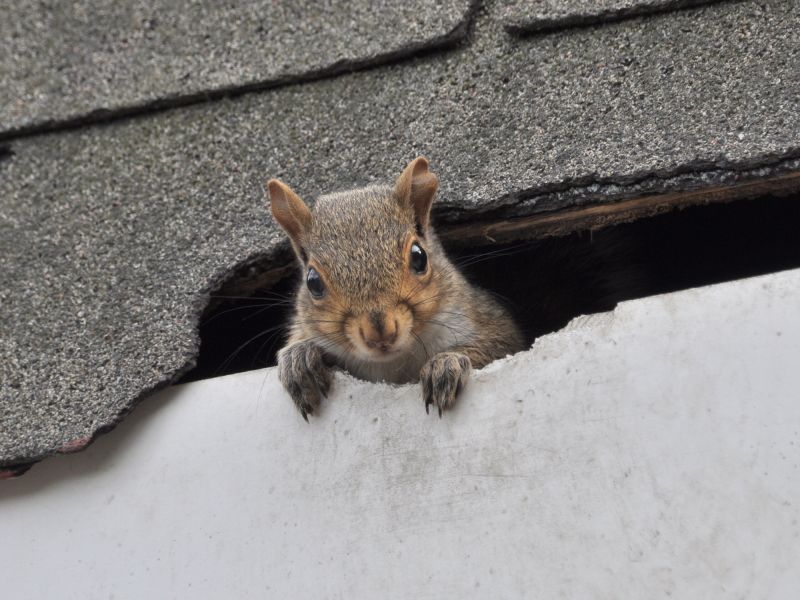
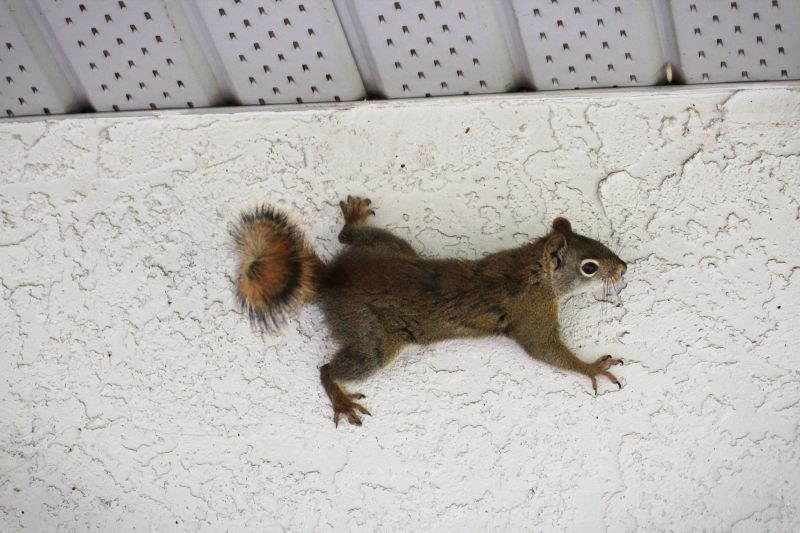
When homeowners search for information about how squirrels damage roofs and attics and what to do about it, they are often concerned about the health and safety of their property. These searches typically stem from noticing signs of squirrel activity, such as noises in the attic, chewed wires, or debris around the home’s exterior. The focus is usually on understanding the specific ways squirrels can cause damage, as well as identifying effective solutions to prevent or address these issues. Many property owners are interested in learning how to protect their homes from further harm and whether professional squirrel removal services are necessary to resolve the problem safely and thoroughly.
The problems associated with squirrels damaging roofs and attics are varied but often include structural damage, electrical hazards, and insulation contamination. Squirrels tend to chew on wood, shingles, and wiring, which can weaken the roof structure and create entry points for other pests or weather elements. In addition, their nesting habits can lead to insulation being torn apart or contaminated with droppings, which can impact indoor air quality and energy efficiency. These issues are especially common in homes with accessible attics, vent openings, or damaged roofing materials. Property owners often seek out plans to repair damage and prevent future invasions, making the role of local service providers crucial for both removal and restoration.
Properties most frequently affected by squirrel damage include single-family homes, especially those with older or poorly maintained roofs, as well as cabins, barns, and outbuildings. Attics provide an ideal shelter for squirrels, offering warmth and safety, which can lead to repeated invasions if entry points are not sealed. Residential properties in wooded or suburban areas are more prone to encounters with squirrels, as these animals are common in such environments. Commercial buildings with accessible roof spaces or unused areas can also become targets. When these issues arise, property owners often consider hiring local contractors specializing in squirrel removal and exclusion, as well as roof repairs, to address both the immediate problem and prevent recurrence.
Getting help from experienced service providers is an essential step in resolving issues caused by squirrels damaging roofs and attics. These professionals can perform thorough inspections to identify entry points, signs of nesting, and structural damage. They can then implement humane removal methods, seal off access points, and carry out necessary repairs to restore the integrity of the roof and attic space. Engaging with local contractors ensures that the problem is handled efficiently and effectively, reducing the risk of ongoing damage or health hazards. For homeowners facing the challenge of squirrel-related damage, connecting with trusted service providers is a practical way to safeguard their property and regain peace of mind.
Attic Insulation Installation - Proper insulation installation helps prevent squirrels from accessing attics and causing damage, requiring expertise in insulation and attic layout planning.
Roof Repair and Replacement - Repairing or replacing damaged roof components is essential after squirrel damage, involving skills in roofing materials and damage assessment.
Gutter Cleaning and Maintenance - Clearing and maintaining gutters can prevent squirrels from building nests and causing water damage to roofs and attics, utilizing specialized cleaning tools.
Venting and Chimney Services - Installing or repairing vents and chimney caps can block entry points for squirrels, requiring knowledge of ventilation systems and safety protocols.
Wildlife Exclusion and Deterrent Installation - Setting up barriers and deterrents to keep squirrels out of roofs and attics involves planning and installation skills for effective wildlife control.
Roof Ventilation System Upgrades - Improving attic ventilation can reduce squirrel nesting opportunities and moisture buildup, involving planning and installation of ventilation products.
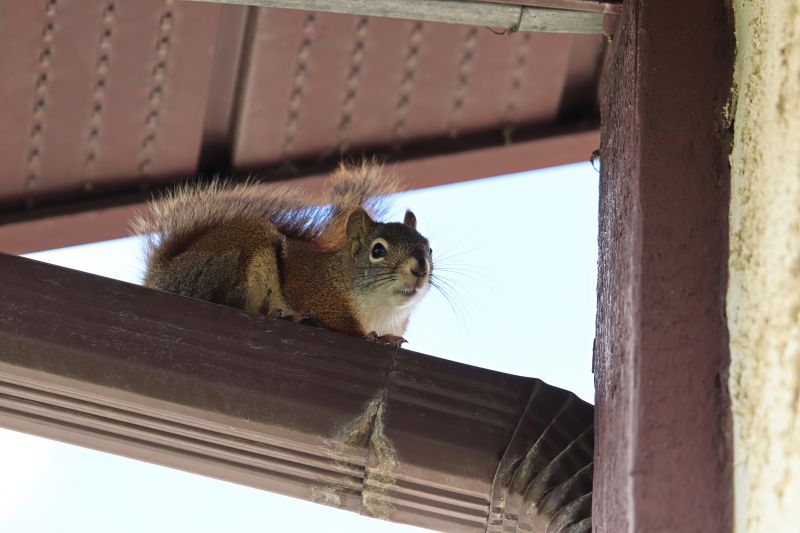
When comparing service providers for squirrel removal, it is important to consider their experience with similar projects. Homeowners should look for local contractors who have a track record of successfully handling squirrel-related damage to roofs and attics. Experience can often be gauged through references or by inquiring about the types of properties they have worked on, ensuring they are familiar with common issues caused by squirrels and the best methods to address them effectively.
Clear written expectations are essential when evaluating potential service providers. Homeowners should seek detailed descriptions of the scope of work, including inspection procedures, removal techniques, and any repairs or preventative measures offered. Having a comprehensive understanding of what the project entails helps prevent misunderstandings and ensures that both parties are aligned on the work to be performed, leading to a smoother process and better results.
Reputable references and good communication are key factors in choosing a reliable contractor. Service providers with positive feedback from previous clients or verifiable references can offer peace of mind about their professionalism and quality of work. Additionally, responsive and transparent communication throughout the process allows homeowners to ask questions, express concerns, and stay informed about the progress, which can be especially helpful when addressing the complexities of how squirrels damage roofs and attics and what to do about it.
Property owners often search for how squirrels damage roofs and attics and what to do about it when they are planning practical projects around their homes and businesses. Local pros provide Squirrel Removal services for everyday jobs and straightforward project options.
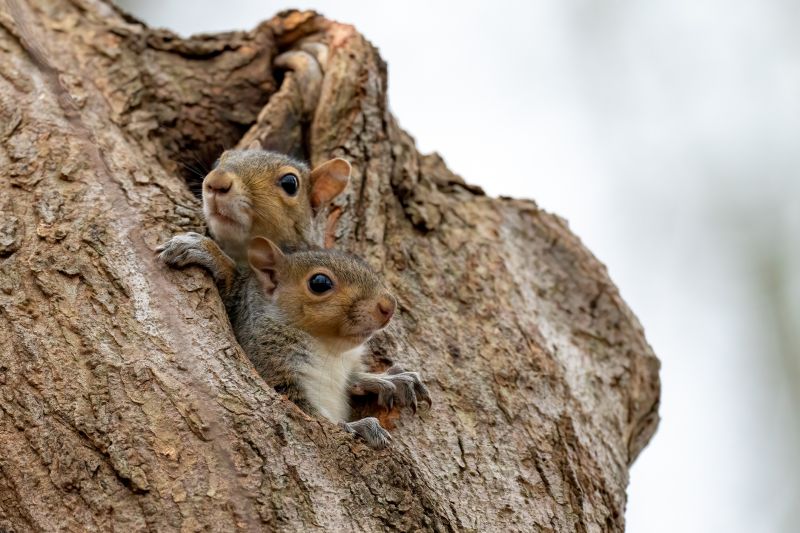
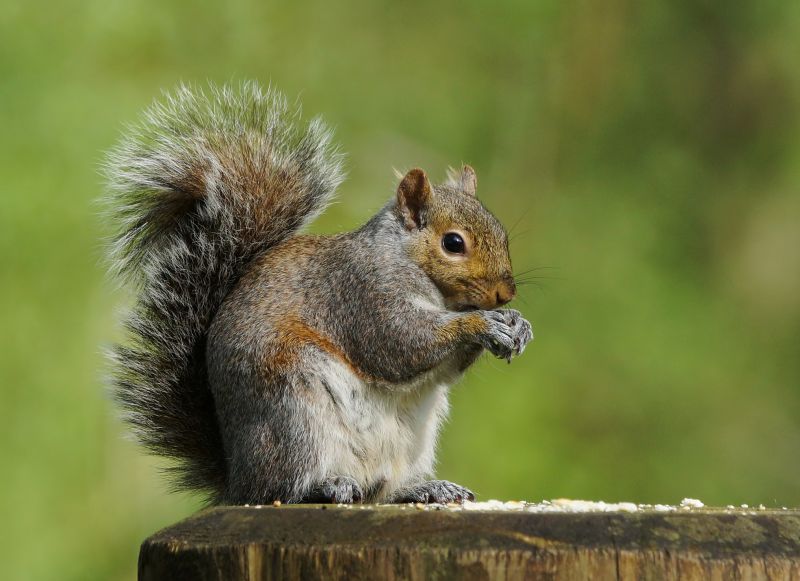
Squirrels are common backyard visitors that can cause unexpected damage to roofs and attics. Property owners often notice signs like missing shingles, chew marks around vents, or strange noises coming from the attic, which can indicate squirrel activity. These small animals are known for gnawing on wood, wiring, and insulation as they search for nesting sites or food sources, potentially leading to costly repairs if left unaddressed. Many local property owners seek out squirrel removal services when they realize that these critters have taken up residence, aiming to prevent further damage and protect the structural integrity of their homes.
When squirrels invade roofs and attics, they can create significant issues that require professional intervention. Local contractors experienced in squirrel removal can help safely and effectively eliminate the animals, assess the extent of damage, and implement measures to prevent future intrusions. Property owners might look for these services to ensure that the problem is handled promptly and thoroughly, avoiding the risks associated with DIY attempts that could worsen the situation. Connecting with trusted local service providers can help restore peace of mind and safeguard the home from ongoing squirrel-related damage.
How do squirrels damage roofs and attics? Squirrels can cause damage by chewing on roofing materials, creating entry points, and nesting in attic spaces, which can lead to structural harm and insulation disruption.
What signs indicate squirrels have entered a roof or attic? Common signs include chewed wiring or wood, nesting materials, scratching sounds, and visible entry holes in the roof or soffits.
Why should I consider professional squirrel removal services? Professional service providers can safely and effectively remove squirrels, repair entry points, and prevent future infestations to protect the roof and attic from further damage.
How can local contractors help prevent squirrel damage? They can install barriers, seal entry points, and implement exclusion methods to keep squirrels out of roofs and attics, reducing the risk of damage.
What steps are involved in repairing squirrel-related damage? Repairs typically include sealing entry points, restoring damaged roofing or insulation, and implementing exclusion strategies to prevent re-entry by squirrels.
Identify entry points in the roof and attic - property owners can work with local contractors to inspect and seal gaps where squirrels may enter, preventing further damage.
Install protective barriers and deterrents - using barriers or squirrel-proofing devices can help keep squirrels away from vulnerable roof areas and attic vents.
Remove existing squirrel nests and debris - professionals can safely clear nests and debris that may cause insulation or wiring damage inside the attic.
Schedule regular inspections and maintenance - ongoing assessments by local service providers can catch early signs of squirrel activity and prevent extensive damage.
If you are thinking about how squirrels damage roofs and attics and what to do about it for a property, this guide is meant to help you understand this topic, the typical project types, and how different options might fit your plans.
When you are ready, you can use the quote form on this page to share a few details about your project. From there, local pros can review the basics and follow up with options that match what you have in mind.